Top Tips for Safe Family Safari Travel in Africa
- adamsuchocki
- Mar 5
- 4 min read
Embarking on a family safari in Africa is an adventure that promises unforgettable experiences, breathtaking landscapes, and encounters with incredible wildlife. However, ensuring safety during your travels is paramount. In this guide, we will explore essential tips to help you navigate the unique challenges of safari travel while keeping your family safe and sound.
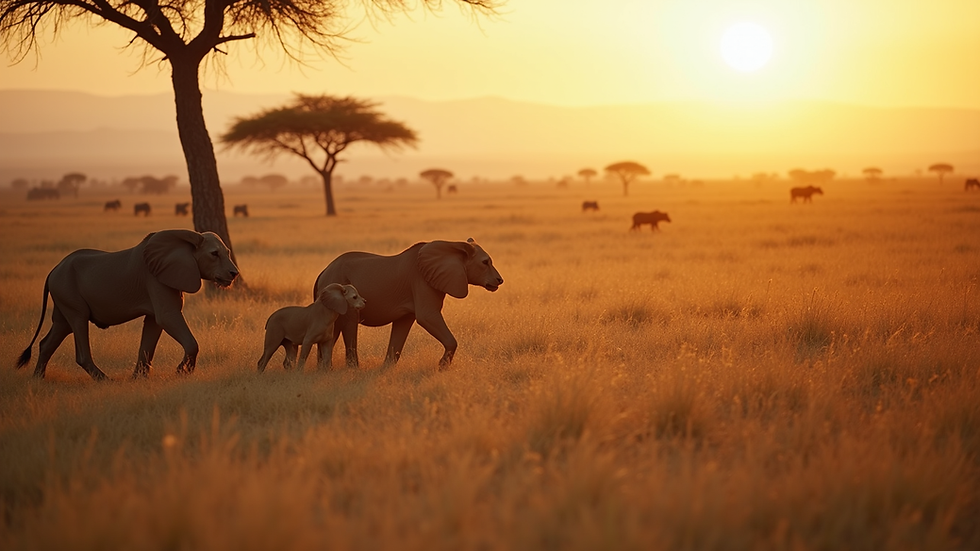
Understanding the Safari Environment
The Wildlife Factor
One of the most thrilling aspects of a safari is the opportunity to see wild animals in their natural habitat. However, it is crucial to remember that these are wild animals, and their behavior can be unpredictable. Here are some key points to keep in mind:
Respect Wildlife: Always maintain a safe distance from animals. Never attempt to feed or provoke them.
Follow Guidelines: Listen to your guide's instructions. They are trained to handle wildlife encounters and know how to keep you safe.
Stay in the Vehicle: When on a game drive, remain inside the vehicle unless instructed otherwise. Animals can be curious and may approach.
The Terrain and Climate
Africa's diverse landscapes range from savannas to dense forests, each presenting its own set of challenges. Understanding the terrain and climate can help you prepare adequately:
Dress Appropriately: Wear lightweight, breathable clothing in neutral colors to blend in with the environment. Avoid bright colors that may attract unwanted attention from wildlife.
Stay Hydrated: The African sun can be intense. Ensure your family drinks plenty of water throughout the day to avoid dehydration.
Sun Protection: Use sunscreen and wear hats to protect against sunburn, especially during midday when the sun is at its peak.
Planning Your Safari
Choosing the Right Safari
Selecting the right safari experience is crucial for a safe and enjoyable trip. Consider the following:
Family-Friendly Options: Look for lodges or tour operators that cater specifically to families. They often provide tailored experiences and safety measures for children.
Private Safaris: Opting for a private safari can offer more control over your itinerary and reduce exposure to larger groups, which can be beneficial for safety and comfort.
Health Precautions
Before embarking on your safari, ensure your family is in good health and prepared for potential health risks:
Vaccinations: Consult with a healthcare professional about necessary vaccinations, such as yellow fever and malaria prophylaxis.
Travel Insurance: Invest in comprehensive travel insurance that covers medical emergencies, trip cancellations, and lost belongings.
During the Safari
Safety Protocols
Once you are on safari, adhering to safety protocols is essential:
Stay Alert: Always be aware of your surroundings. Keep an eye out for wildlife and follow your guide's instructions closely.
Travel in Groups: If you are exploring on foot, always stay in a group. There is safety in numbers, and it is easier to spot potential dangers together.
Engaging with Wildlife
While observing wildlife is a highlight of any safari, it is important to do so responsibly:
Use Binoculars: Instead of getting too close, use binoculars for a better view of animals. This keeps both your family and the wildlife safe.
Quiet Observation: Keep noise levels down to avoid startling animals. This also enhances the experience for everyone in your group.
Preparing for Emergencies
Emergency Contacts
Before you leave for your safari, compile a list of emergency contacts:
Local Authorities: Know the contact information for local emergency services and your country's embassy or consulate.
Safari Lodge Contacts: Keep the contact details of your safari lodge or tour operator handy in case you need assistance.
First Aid Kit
Having a well-stocked first aid kit can be a lifesaver during your travels:
Basic Supplies: Include band-aids, antiseptic wipes, pain relievers, and any personal medications your family may need.
Insect Repellent: Protect against insect bites, especially in areas where malaria is a concern.
Cultural Sensitivity
Respect Local Customs
Understanding and respecting local cultures is vital during your safari:
Dress Modestly: When visiting local communities, dress modestly to show respect for cultural norms.
Ask Before Photographing: Always ask for permission before taking photos of people or their property.
Engage with Local Communities
Consider participating in community-based tourism activities:
Cultural Tours: Engage in guided tours that allow your family to learn about local traditions and lifestyles. This can enrich your safari experience and foster mutual respect.
Conclusion
A family safari in Africa can be a life-changing experience filled with adventure and discovery. By following these tips for safe travel, you can ensure that your family enjoys the beauty of the African wilderness while prioritizing safety. Remember to plan ahead, stay informed, and embrace the journey. Your adventure awaits, and with the right preparation, it will be one to remember for a lifetime.
As you prepare for your safari, take the time to educate your family about the wildlife and cultures you will encounter. This not only enhances the experience but also instills a sense of responsibility towards conservation and respect for nature. Happy travels!


Comments